Passive Viewing Puts the Brain on Idle
Neuroimaging shows passive video activates far less neural activity than interactive content the brain goes into standby.
JAMA Pediatrics
Everything we built is backed by science. Here is the science.
Every lesson, every story, every Uncle Boopi moment built on decades of peer-reviewed research. We read the studies so you don't have to.
Not 8 to 18. Not the teenage years. 2 to 6.
80%
BY AGE 3
Brain Growth
Most brain growth happens before kindergarten early stimulation shapes lifelong architecture.
1M
/ SECOND
Neural Connections
More than a million new neural connections form every second in early childhood.
Set
BY AGE 6
Character Traits
Core temperament and habits formed in the early years become the foundation for life.
DNA
SHAPED BY EXPERIENCE
Epigenetics
Gene expression is influenced by environment relationships and experiences matter.
What this means for Todemy
Every Todemy feature is calibrated for the 2-to-6 window not generic kid content, but content matched to the exact stage your child is in right now.
Character is not inherited. It is built.
Kindness, empathy and resilience aren't fixed at birth they're built through experience, modelling and repetition.
Children develop morals and empathy through narrative every culture in history has used stories to transmit values.
Children taught to label feelings develop stronger regulation naming an emotion calms the brain by activating the prefrontal cortex.
Empathy is a skill, not a trait. The most plastic window for building it is between ages 2 and 5.
Japan prioritises character over early academics and produces some of the most regulated, capable children in the world.
Stories teach character. Uncle Boopi models it. Games build resilience. Todemy is engineered around how character is actually built.
Not all screen time is equal.
What Harms
Neuroimaging shows passive video activates far less neural activity than interactive content the brain goes into standby.
JAMA Pediatrics
Rapid cuts and constant stimulation measurably reduce a toddler's ability to sustain attention.
Pediatrics Journal, University of Virginia
What Works
Research doesn't condemn all screens only the passive, fast-paced kind. Interactive content can support development.
American Academy of Pediatrics
When a screen responds to a child the way a human does, learning outcomes match live interaction.
Journal of Children and Media
Hover the bubbles — every feeling has a name.
Emotional intelligence is a stronger predictor of success, relationships and mental health than academic intelligence.
Daniel Goleman
The neural pathways for regulation and empathy are laid down in the first seven years and become the lifelong foundation.
Harvard Center on the Developing Child
Children without basic emotional regulation by age 6 face higher rates of mental health, relational and academic struggles.
Journal of Child Psychology and Psychiatry
Saying “I feel angry” measurably reduces amygdala activity. Naming feelings is neurologically protective.
UCLA, Affect Labelling Research
What this means for Todemy
EQ isn't a subject in Todemy it's the foundation under every subject. A child who can feel well will learn well, relate well, and live well.
The science
Character formation must precede academics for children to become whole, capable humans.
The application
Character isn't an add-on in Todemy it's the foundation every lesson is built on.
The science
The video deficit shows kids don't learn from non-responsive screens. Interactive content closes the gap entirely.
The application
Uncle Boopi reacts to your child in real time and grows alongside them.
The science
Bandura's Social Learning Theory: ages 2–6 learn by watching, not by being told.
The application
Uncle Boopi doesn't tell kids to be kind he is kind, in every moment.
The science
Naming emotions reduces amygdala activity. Building feeling-words is one of the most protective things a child can learn.
The application
Every Todemy session introduces, practises and reinforces emotional vocabulary.
The science
Fast-paced content reduces attention and processing. The toddler brain needs slow, deliberate repetition.
The application
Todemy's pacing is calibrated for how a toddler brain actually retains information.
The science
Resilience is built in the space between easy and impossible with a supportive presence alongside.
The application
Games challenge without overwhelming. Uncle Boopi is always there, so trying again becomes safe.
Todemy was built in consultation with:

Curriculum Advisor
Gurekhta helps Todemy stay focused on the bigger picture: raising children who are not just smart, but emotionally strong, socially aware, and grounded in the right values.Her guidance brings balance to the platform. She looks at how a child thinks, reacts, shares, listens, decides, and behaves in daily life. That is where real development happens. Her role ensures Todemy is not just creating content, but shaping meaningful experiences that support confidence, kindness, patience, courage, and better decision-making.

Curriculum Designer & Expert
Neha brings depth to Todemy’s character-building journey. She understands that values cannot be taught through lectures. They need to be experienced, practiced, and repeated in ways children naturally connect with.Her work focuses on building activities and frameworks around kindness, empathy, confidence, gratitude, discipline, responsibility, and self-expression. She makes sure Todemy does not sound preachy or heavy. Instead, it feels playful, relatable, and real. Because when children enjoy the process, the lesson stays with them.

Legal & Compliance Counsel
Sara brings the layer every child’s platform must take seriously: trust. When you are building something for young minds, fun is important, but safety is non-negotiable. She supports Todemy through child-focused legal research, privacy compliance, and digital safety frameworks. Her role ensures the platform is built responsibly from the ground up, so parents feel confident, and children get a safe space to explore values, habits, emotions, and personal growth. Todemy may be playful on the outside, but Sara helps make sure it is protected, ethical, and strong at the core.
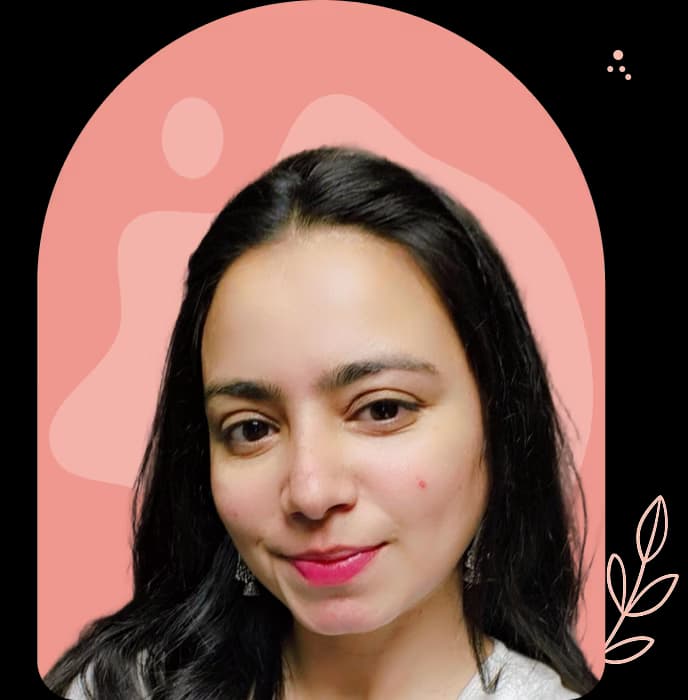
Product Owner
Shelly is the person who makes sure Todemy does not remain just a good idea on paper. She turns vision into product, and product into an experience that parents can actually trust and children can actually enjoy. At Todemy, the goal is not to keep children busy. The goal is to make every interaction meaningful. Shelly works on building a platform where character development feels simple, engaging, and part of everyday life. From habits to values to emotional awareness, she ensures the product stays focused on one big question: Is this helping the child become a better human being?

Child Development Specialist
Vinaya brings her background in child development Specialist to Todemy, helping us understand children beyond academics and milestones. Her work focuses on how children think, feel, communicate, behave, and develop emotionally and socially. She helps Todemy create thoughtful, age-appropriate content that gives parents practical insights to better understand their children and support their growth. Her goal is simple: helping parents raise children who are confident, emotionally aware, kind, and resilient.
"In over twenty years of working with children
and families, I have never recommended a screen-based
product. Todemy is the first because it's the first
one I've seen that takes the research seriously.
Child development specialist, Todemy advisory board
The science behind why this window matters and why Todemy was built to fill it.
80%
Brain development by age 3
90%
Brain development by age 5
1M+
Neural connections per second
Age 6
When character is set
↓ Neural
Activity during passive viewing
↓ Attention
Span after fast-paced content
Auto-play
A top developmental harm
Standby
Passive = brain on standby
#1
EQ as life outcome predictor
Age 6
When EQ pathways are set
↓ Amygdala
Activity when naming feelings
Ages 2–6
Peak window for empathy
= Live
Interactive content learning
0
Video deficit with responsive content
7
Principles in the Todemy Method
100%
Built on peer-reviewed research
The science is clear.
The window is real.
And for the first time, there is something worthy of being inside it.
Every study cited here shaped a decision inside Todemy.
Every feature your child uses was built around what the research says actually works.
Start Your Child's
Character Building